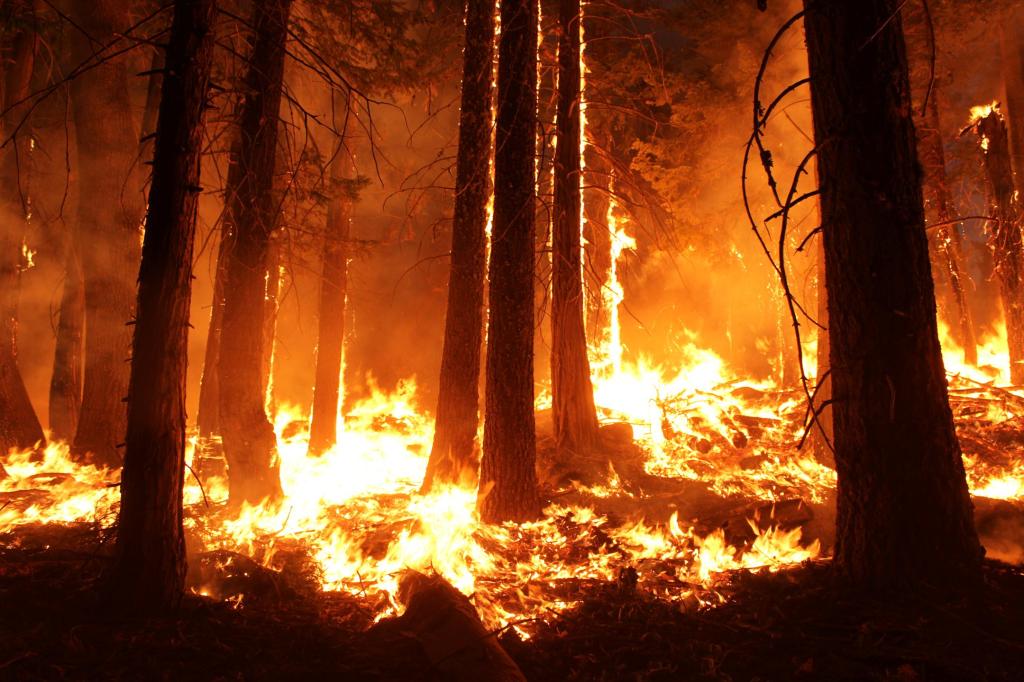
Recent analyses of forest carbon by USFS and OSU indicate that Oregon sequesters large amounts of carbon in its forests, but how should we use this information?
Angus D_____, Oregon Global Warming Commission
Recent analysis of forest carbon in Oregon has given rise to encouraging news – Oregon forests currently remove X to Y metric tons of carbon from the atmosphere per year, locking that carbon up in…
- Covers phenomenon, explains mechanism, etc.
- Easy therefore, to be complacent – forest carbon is a freebee, moved us close to our goals, so we can take a break (not work too hard on transportation, for instance)
- BUT remember, we’re already on track for change that will cause problems, so there is a time-value of carbon. Carbon locked up now is more important than carbon locked up later.
- AND as we’ve seen in this year’s forest fires, carbon put into forests doesn’t necessarily stay there. OCCRI estimates that the Oregon fire season has grown from X days per year to Y days per year, and Z amount of the carbon in forests is small, fire-prone material that can ignite larger, more destructive blazes. Soil carbon is stable, but forest carbon is dynamic.
- Discussion of historical forest fire extent (using Angus’ graph)
- Mention of changing roles of forests in Oregon. Once lumber, supporting timber communities, now also valued for ecosystem services (clean water, soil conservation), habitat value, and carbon sink. How does this affect traditional timber communities?
- Lessons
- Forest carbon can’t be taken for granted, must be actively managed, preserved, and carefully propagated.
- Encouraging news about forest carbon doesn’t mean we can slack off. The pressure’s still on.
- Conclusion. This is a positive development, worthy of sustained attention and active involvement. Should encourage us to do more, not lull us into doing less.
 Stuart Duncan
Leave a comment